Reflect & Refine: How a Decorative Mirror Elevates Your Space and Creates Perfect Balance
At Nidhi Jain Associates, we view mirrors not just as reflective surfaces, but as critical design tools. They are the secret weapon to achieving a sense of luxury, maximizing light, and creating the nice balance that elevates a space from good to exceptional.
We’ve moved past using a mirror just to check your appearance; now, they are architectural features that enhance light, style, and flow. Based on our design philosophy, here is how you can master the art of the decorative mirror.
1. The Art of Reflection: Maximizing Light and Space
A well-placed mirror is the simplest way to enhance the light and perceived size of any room. By reflecting existing light sources—whether it’s sunlight streaming from a window or the soft glow of a floor lamp and indirect lighting—the mirror brightens the entire area without adding fixtures. This use of reflection is essential in creating a comfortable, mood-lit environment.
Tip for Small Spaces: Placing a large decorative mirror in a compact hallway or room instantly pushes the walls out, making the space feel expansive and airy.
Reflecting Beauty: Always consider what the mirror is reflecting. It should ideally capture an attractive element, such as a beautiful chandelier, a vibrant potted plant, or a carefully curated art collection. This simple trick ensures the mirror adds value, rather than just duplicating a plain wall.

2. Creating Balance: Artifact vs. Mirror
The most sophisticated way to use mirrors is to create a dynamic visual equilibrium, which we refer to as a nice balance b/w artifact on different walls. This strategy ensures your walls are not overwhelmed by a single type of display, be it only art or only mirrors.
The Opposite Wall Strategy: Place an important piece of artwork or a unique artifact on one wall. Then, place the mirror on the opposite wall. The mirror reflects the art, essentially showcasing it twice and drawing the eye across the entire room, making the composition feel complete.
The Same Wall Strategy: For a cohesive gallery look in a main living room design, we often place the art in the main living and the mirror on the same wall to complement it. The mirror should be used to provide an interesting textural break in the display and add a layer of depth to the arrangement. This approach is key to achieving sophisticated mirror balance in home decor.
3. Strategic Mirror Placement: Targeting Key Areas
Location is everything when working with reflection. Use a mirror to frame an attractive view or to define a specific area, ensuring every placement is intentional.
The Entryway: A mirror placed in the entry immediately gives the illusion of depth and provides an important last-look checkpoint. We often recommend placing it near the dining wall to maximize the visual connection between adjacent spaces.
The Dining Area: Placing a mirror on the dining wall reflects the dinner setting and the glow of candles or diffused lighting, adding elegance and maximizing the perceived size of the dining area.
The Main Living Room: When placing art in the main living, the mirror should be placed to reflect a focal point like a fireplace or a window. This serves as a central anchor, dramatically increasing light and visually enlarging the most important gathering space in the home.
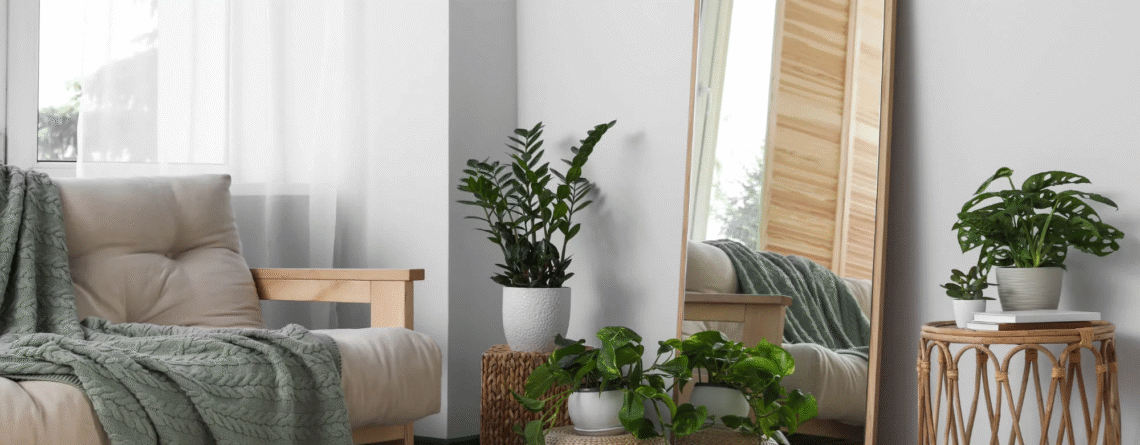
Hallways/Passageways: Using a series of smaller, coordinating mirrors or one large floor mirror breaks up long, narrow spaces, preventing them from feeling like tunnels and introducing reflective surfaces that carry light throughout the home.
This intentional decorative mirror placement ensures that every corner of your room feels considered and beautifully lit.
4. Choosing Your Decorative Mirror Style
The frame and shape of the mirror should reinforce your home’s aesthetic, serving as another layer in your design narrative.
For “Old Memory” Design: Choose an antique or distressed wooden frame to incorporate a piece of history and complement antique furnishings.
For New Luxury Interiors: Opt for a sleek, metallic, or frameless design to provide a modern, clean finish that suits a contemporary aesthetic.
The Power of Shape: A circular mirror can soften the sharp lines of rectangular furniture, while an oversized rectangular mirror adds dramatic height and structure to a wall.
In Summary: A decorative mirror is one of the most effective tools for maximizing light with mirrors and achieving visual harmony. It is an investment in creating a balanced, high-end look that is reflective of true luxury interior design tips.
Create Your Balanced Space with Nidhi Jain Associates
A mirror can be your most impactful design element. Are you ready to discover the perfect decorative mirror placement for your home to achieve that desired balance and light?
Connect with Nidhi Jain Associates:
Ready to transform your space with conscious, curated design?
Website: https://nidhijainassociates.com/
Email: nidhi@nidhijainassociates.com
Phone: +65 9850 7375