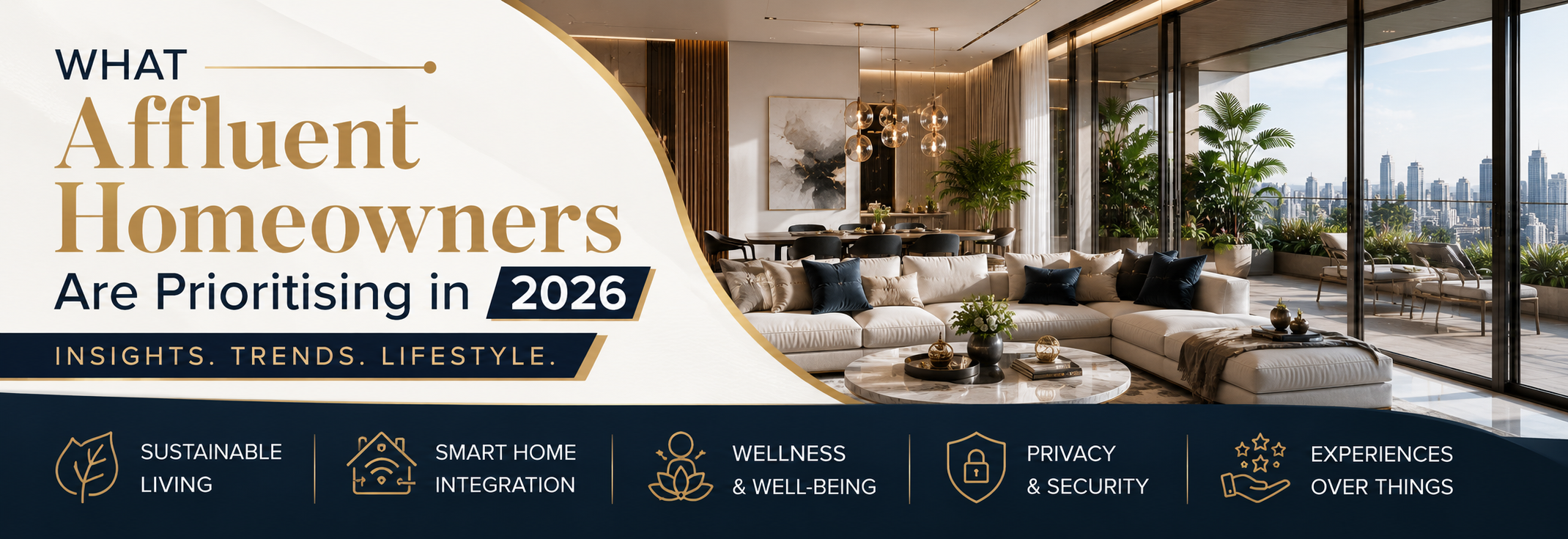
What Affluent Homeowners Are Prioritising in 2026
Luxury living in Singapore is undergoing a quiet but significant shift. Affluent homeowners are no longer defining luxury by excess. Instead, they are prioritising how a home supports daily life, enhances wellbeing, and reflects a more refined sense of identity.
At Nidhi Jain Associates, this evolution is visible across every luxury condominium, penthouse, and landed home project. Clients are asking different questions than they did five years ago. The focus is no longer just on “how it looks” but on “how it feels and functions over time.”
This article breaks down the most important priorities shaping luxury interior design in 2026, especially among high-net-worth homeowners in Singapore.
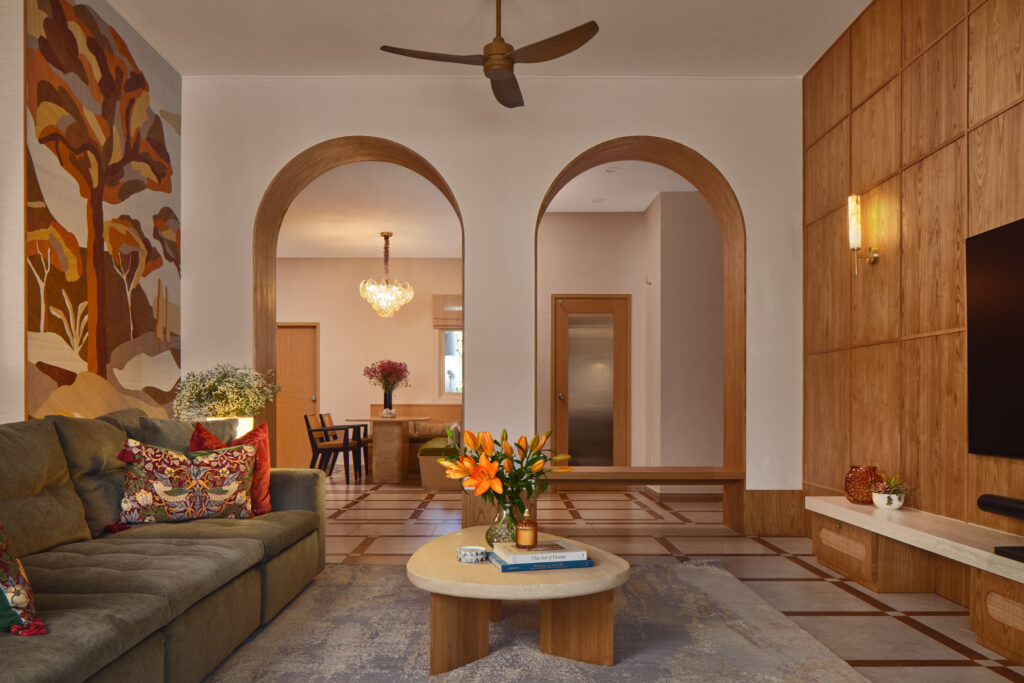
1. Quiet Luxury Over Visual Excess
One of the strongest shifts in 2026 is the move toward quiet luxury.
This does not mean minimalism in the traditional sense. It refers to a more refined, understated approach where quality is experienced rather than displayed.
What this looks like in real homes:
- Natural stone used with restraint rather than abundance
- Neutral palettes with layered textures
- Seamless joinery and concealed storage
- Architectural lighting instead of decorative clutter
- Furniture that prioritises proportion over branding
Real homeowner scenario:
A client renovating a penthouse in District 10 initially requested statement finishes in every room. During the design process, the direction shifted.
Instead of multiple focal points, the design concentrated on spatial calm. The result was a home that felt more expensive, not because it was louder, but because it was quieter and more intentional.
2. Functionality is Now a Luxury Metric
In 2026, functionality has become a defining marker of luxury interior design.
Affluent homeowners are increasingly frustrated with spaces that look impressive but do not function well in daily life.
Key functional priorities:
- Optimised space planning for circulation
- Multi-purpose rooms (work, leisure, guest use)
- Integrated storage systems
- Efficient kitchen workflow zones
- Private and public spatial separation
Design insight:
Good space planning is often invisible. Yet it determines how a home performs every single day.
For example, a well-designed kitchen is not about appliances alone. It is about how a homeowner moves between preparation, cooking, serving, and storage without friction.
3. Wellness-Focused Living Environments
Wellness is no longer a secondary consideration. It is central to luxury design thinking.
High-net-worth homeowners are actively requesting environments that support physical and mental wellbeing.
Common wellness-driven design requests:
- Increased natural light penetration
- Better ventilation strategies
- Spa-inspired bathrooms
- Dedicated relaxation zones
- Biophilic elements such as indoor greenery and natural textures
Real design scenario:
In a recent landed home project, the master bathroom was redesigned as a private wellness suite. The space incorporated natural stone finishes, soft lighting layers, and a clear separation between functional and relaxation zones.
The outcome was not just aesthetic. It changed how the homeowners ended and began their day.
4. Sustainable Luxury Without Compromise
Sustainability is no longer positioned as a design constraint. It is now part of luxury decision-making.
Affluent homeowners are increasingly aware of long-term environmental and maintenance considerations.
Priorities include:
- Durable natural materials
- Low-VOC finishes
- Energy-efficient lighting systems
- Long-life design solutions rather than trend-driven renovations
- Responsible sourcing of materials
The shift is subtle but important. Sustainability is being integrated into luxury rather than treated as an alternative to it.
5. Smart Homes with Invisible Technology
Technology in luxury homes is becoming more integrated and less visible.
The expectation is not just automation, but seamless experience.
Common integrations:
- Lighting scenes controlled via mobile systems
- Motorised curtains and blinds
- Climate control zoning
- Integrated security systems
- Whole-home audio without visible hardware
Design principle:
The best smart homes do not look technological. They look effortless.
This requires early coordination between interior designers, engineers, and automation specialists during the design phase.
6. Personalisation Over Standard Luxury Templates
A growing number of homeowners are rejecting standardised luxury aesthetics.
Instead, they are asking for homes that reflect personal habits, routines, and identities.
Examples of personalisation:
- A reading lounge designed around daily rituals
- Custom walk-in wardrobes based on wardrobe behaviour
- Home offices designed for hybrid work realities
- Kitchens adapted to specific cooking styles and cultural preferences
Insight:
Luxury is becoming less about “what is expensive” and more about “what is meaningful.”
7. Timeless Design Over Trend-Driven Interiors
In 2026, affluent homeowners are becoming increasingly cautious about design trends.
The priority is long-term relevance.
Timeless design principles include:
- Balanced proportions
- Neutral but layered colour palettes
- High-quality foundational materials
- Flexible layouts that adapt over time
- Reduced visual noise
A well-designed home should feel relevant not just today, but 10–15 years from now.
8. A Real-World Design Transformation
A family in Singapore purchased a large condominium unit with panoramic city views.
Initially, the design brief focused on contemporary luxury styling.
However, during planning discussions, several lifestyle needs emerged:
- Two adults working from home
- Frequent family gatherings
- Need for privacy and separation
- Desire for calm, uncluttered spaces
The final design shifted significantly:
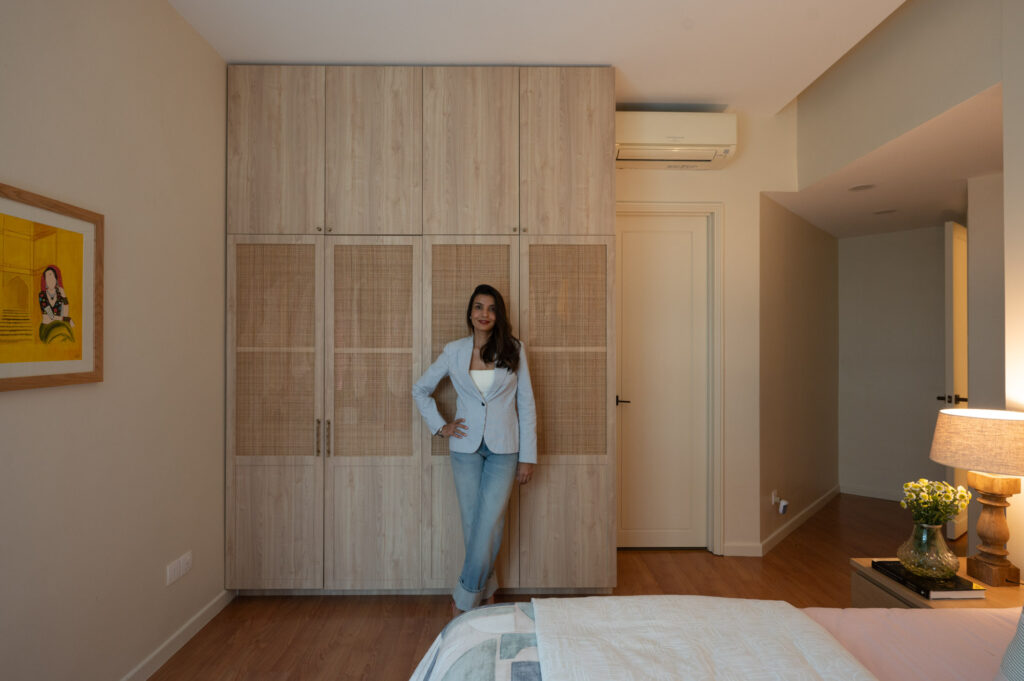
- A concealed home office was integrated into the living area
- Storage was built into architectural elements
- The dining space was reconfigured for flexible entertaining
- Lighting was layered to create different moods throughout the day
The finished home was not simply visually upgraded. It was structurally and functionally redefined.
What This Means for Homeowners in 2026
The definition of luxury interior design in Singapore is evolving.
It is no longer about individual features. It is about how all elements work together to support a lifestyle.
Affluent homeowners today are prioritising:
- Calm over complexity
- Function over form alone
- Longevity over trend cycles
- Personal meaning over generic luxury
This shift requires a more thoughtful design process, where space planning, materials, lighting, and lifestyle all work in alignment.
Why Homeowners Work with Nidhi Jain Associates
Nidhi Jain Associates approaches luxury interior design as a holistic process rather than a decorative exercise.
Each project begins with understanding how clients live, not just how they want a space to look.
The studio integrates:
- Architectural thinking
- Detailed space planning
- Material expertise
- Lighting strategy
- End-to-end project management
The result is a home that feels considered, cohesive, and tailored to the people who inhabit it.
Ready to Design a Home That Reflects the Way You Live?
Whether you’re renovating a luxury condominium, penthouse, or landed property, the right design strategy can transform how your home looks, feels, and functions for years to come.
Book a consultation with Nidhi Jain Associates to explore a personalised approach to luxury interior design in Singapore. Our team will help you create a timeless, functional, and deeply personal home tailored to your lifestyle and aspirations.
Just Visit the official website www.nidhijainassociates.com or Call us directly on +65 9752 2836
Frequently Asked Questions
What are affluent homeowners prioritising in 2026?
They are prioritising functionality, wellness, sustainability, quiet luxury, and highly personalised interior design solutions.
Is luxury interior design still focused on aesthetics?
Aesthetics remain important, but functionality and lifestyle alignment are now equally critical.
What is quiet luxury in interior design?
Quiet luxury refers to understated, high-quality design that focuses on materials, proportion, and craftsmanship rather than visual excess.
Are smart homes still considered luxury?
Yes, but the focus has shifted toward seamless integration rather than visible technology.
How important is sustainability in luxury homes?
It is increasingly important, especially in material selection and long-term design planning.
Do affluent homeowners still follow design trends?
Trends are less influential than before. Timeless design is now preferred.
What is the biggest mistake in luxury home design?
Prioritising aesthetics before space planning and functionality.
Can interior design increase property value?
Yes, thoughtful design often improves both usability and market appeal.