How to Choose the Best Commercial Interior Designer in Hyderabad?
Hyderabad has emerged as one of India’s major business and commercial hubs, with strong activity across technology, healthcare, finance, retail, hospitality, and professional services. The city’s office market continues to see substantial demand, particularly in areas such as Gachibowli and Madhapur.
For businesses, a commercial interior is much more than attractive furniture, colours, and décor. A well-designed workplace or retail environment should support productivity, customer experience, brand identity, efficient movement, and long-term business needs.
Choosing the best commercial interior designer in Hyderabad can therefore have a significant impact on the success of your project. Here are the key factors to consider before making your decision.
Why Is Commercial Interior Design Important?
Commercial spaces are designed for people to work, interact, shop, dine, or receive services. Unlike residential interiors, they need to balance aesthetics with operational requirements.
A professional commercial interior designer can help with:
- Efficient space planning
- Brand-focused design concepts
- Employee and customer experience
- Lighting and electrical planning
- Furniture and workstation layouts
- Material selection
- Storage and functionality
- Budget management
- Project coordination and execution
The right design can make a commercial space more functional while creating a strong first impression on customers, employees, and business partners.

1. Look for Commercial Interior Design Experience
The first thing to check is whether the designer has genuine experience with commercial projects.
Ask to see completed projects similar to yours, such as:
- Corporate offices
- IT and technology offices
- Retail stores
- Restaurants and cafés
- Clinics and healthcare spaces
- Showrooms
- Hospitality spaces
- Coworking offices
- Corporate reception areas
Commercial design requires an understanding of business operations, customer movement, employee requirements, and practical site execution. A portfolio that demonstrates this experience is a strong starting point.
2. Review Their Portfolio Carefully
Don’t choose an interior designer only because you like one photograph on their website or social media.
Review their complete portfolio and look for:
- Quality of finishes
- Space utilisation
- Creativity
- Material combinations
- Lighting solutions
- Furniture design
- Consistency in execution
- Variety of commercial projects
A strong portfolio should demonstrate that the designer can adapt their approach to different industries, spaces, and business objectives.
3. Understand Their Design Approach
Every commercial business has a different identity. A law firm, restaurant, technology company, boutique, and healthcare clinic should not look identical.
Ask the designer how they plan to understand:
- Your brand identity
- Target customers
- Employee requirements
- Business operations
- Available floor area
- Future expansion
- Functional requirements
- Desired customer experience
At Nidhi Jain Associates, the design philosophy places strong emphasis on combining functionality with aesthetics rather than treating decoration as the primary objective.
4. Check Their Space Planning Skills
Good commercial interiors begin with effective space planning.
Before selecting finishes or furniture, your designer should consider:
- Entry and reception
- Workstations
- Private cabins
- Meeting rooms
- Collaboration areas
- Customer circulation
- Storage
- Pantry and service areas
- Lighting
- Emergency access
- Future flexibility
A beautiful interior can still fail if employees cannot move comfortably or customers struggle to navigate the space.
5. Ask About 3D Visualisation and Design Development
Before construction begins, you should have a clear understanding of what the finished space is expected to look like.
Ask whether the designer provides:
- Concept designs
- Mood boards
- 3D visualisations
- Material samples
- Furniture concepts
- Lighting concepts
- Detailed drawings
A structured design process can help identify potential changes before execution begins. Nidhi Jain Associates describes its process as moving from understanding the client’s vision through concept development and execution.
6. Compare Detailed Quotations
Price is important, but the lowest quotation is not necessarily the best choice.
Ask every shortlisted designer to provide a clear quotation covering:
- Design fees
- Scope of work
- Materials
- Furniture
- Labour
- Electrical work
- Lighting
- Installation
- Project management
- Timeline
- Payment schedule
- Warranty or after-sales support
Comparing quotations based on the same scope makes it easier to understand the actual value being offered.
7. Evaluate Material Quality
Commercial interiors experience significant daily use, so durability matters.
Discuss the proposed materials for:
- Flooring
- Wall finishes
- Partitions
- Workstations
- Furniture
- Countertops
- Ceiling systems
- Lighting
- Doors and hardware
Your designer should be able to explain why a particular material is suitable for your space, including durability, maintenance requirements, appearance, and cost.

8. Ask About Project Management and Execution
Designing the space is only one part of the project. Execution determines whether the final result matches the approved design.
Before hiring a designer, ask:
- Who will supervise the site?
- Who coordinates contractors?
- How frequently will you receive progress updates?
- How are design changes handled?
- Who manages material procurement?
- What happens if there is a delay?
- Who conducts the final inspection?
A clear project management structure can reduce confusion and improve coordination between designers, contractors, suppliers, and the client.
9. Consider Turnkey Interior Solutions
If you want a single team to manage the project from concept through completion, ask whether the designer provides turnkey services.
Depending on the company, turnkey execution may cover:
Design → Planning → 3D Visualisation → Material Selection → Procurement → Execution → Installation → Final Handover
This approach can simplify communication because you have one primary team coordinating multiple stages of the project.
10. Check Reviews and Client Feedback
Online reviews can provide useful insights into a designer’s working style.
Pay attention to feedback regarding:
- Communication
- Professionalism
- Design quality
- Project timelines
- Material quality
- Site management
- Budget transparency
- After-sales service
Don’t rely on ratings alone. Look for consistent feedback across multiple projects.
11. Choose a Designer Who Understands Your Budget
A professional designer should work with your financial plan rather than simply encouraging unnecessary upgrades.
Discuss your budget at the beginning and identify where you want to prioritise investment.
For example, a business may choose to invest more in:
- Reception and customer-facing areas
- Custom furniture
- Lighting
- Brand elements
- High-use flooring
- Meeting rooms
Smart budget planning can help create a premium-looking commercial environment without overspending on elements that provide little practical value.
12. Look for Flexible and Future-Ready Design
Modern workplaces are becoming more adaptable. Flexible workspaces and managed office solutions are seeing increased demand in India, reflecting changing business requirements.
Your designer should consider whether the space can adapt as your business grows.
Features may include:
- Modular furniture
- Flexible meeting spaces
- Collaborative zones
- Multi-purpose rooms
- Technology integration
- Easily reconfigurable workstations
- Additional storage
- Future expansion possibilities
A future-ready design can help businesses avoid expensive redesigns later.
Commercial Interior Design Trends in Hyderabad
Commercial interiors in Hyderabad are increasingly focused on combining functionality, technology, employee experience, and brand identity.
Some trends businesses may consider include:
Flexible Workspaces
Adaptable layouts allow businesses to support individual work, meetings, collaboration, and changing team sizes.
Minimal and Functional Design
Clean layouts, uncluttered spaces, practical furniture, and carefully selected finishes can create a professional environment without excessive decoration.
Technology-Integrated Offices
Modern workplaces can incorporate smart lighting, meeting-room technology, connectivity solutions, and other technology-enabled features.
Sustainable Materials
Businesses are increasingly considering energy-efficient lighting, responsible material choices, durable furniture, and designs that reduce unnecessary waste.
Experience-Focused Commercial Spaces
For retail, hospitality, and customer-facing businesses, interiors increasingly play an important role in shaping the customer’s overall experience.
Questions to Ask Before Hiring a Commercial Interior Designer
Before signing a contract, ask these questions:
- How much commercial interior design experience do you have?
- Can you show me similar completed projects?
- What is included in your design service?
- Do you provide 3D visualisations?
- Do you offer turnkey execution?
- Who will supervise the project?
- What materials do you recommend?
- How will you manage the budget?
- What is the estimated project timeline?
- How are changes handled during execution?
- Do you coordinate contractors and suppliers?
- What after-sales support do you provide?
The answers can help you determine whether the designer is the right fit for your business.
Why Choose Nidhi Jain Associates for Commercial Interior Design?
Choosing a commercial interior designer is ultimately about finding a team that understands both design and business requirements.
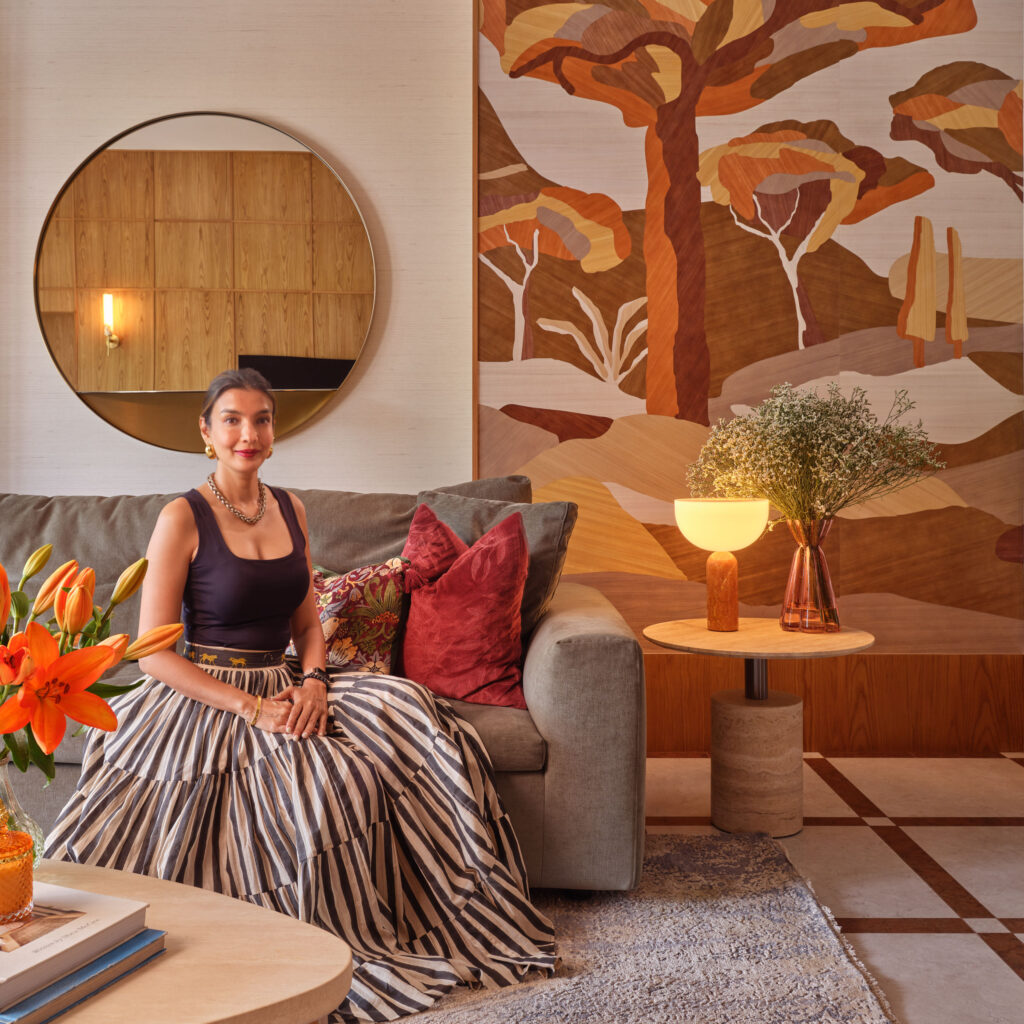
Nidhi Jain Associates focuses on creating spaces where functionality, aesthetics, and the client’s vision work together. Its portfolio and published work include commercial interior design projects, with particular attention to thoughtful planning, material selection, lighting, atmosphere, and execution.
Whether you are developing an office, retail space, restaurant, hospitality environment, or another commercial property, the right design approach can help transform an empty space into a purposeful business environment.
Final Thoughts
Finding the best commercial interior designer in Hyderabad requires more than comparing prices.
Look at their commercial experience, portfolio, design process, space-planning expertise, material quality, project management, reviews, and ability to work within your budget.
Most importantly, choose a designer who understands that commercial interiors need to be beautiful, functional, durable, brand-focused, and practical for everyday use.
With the right design partner, your commercial space can become more than an attractive environment—it can support your employees, impress your customers, strengthen your brand, and contribute to the long-term success of your business.
Frequently Asked Questions
1. How do I choose the best commercial interior designer in Hyderabad?
Review their commercial portfolio, experience, design process, client reviews, material quality, project management capabilities, pricing transparency, and execution services.
2. How much does commercial interior design cost in Hyderabad?
The cost depends on factors such as the size of the property, type of business, design complexity, materials, furniture, and execution requirements. A detailed project brief and quotation are needed for an accurate estimate.
3. What types of commercial spaces can an interior designer design?
Commercial interior designers can work on offices, retail stores, restaurants, cafés, showrooms, clinics, hospitality spaces, coworking spaces, and other business environments.
4. Should I choose a designer based only on price?
No. Compare the complete scope of work, material specifications, design quality, project management, timeline, and after-sales support rather than choosing solely on the lowest quotation.
5. What should a commercial interior design quotation include?
A quotation should clearly explain the scope of work, design services, materials, furniture, labour, execution, timeline, payment schedule, and applicable terms and conditions.
6. Why is space planning important for commercial interiors?
Effective space planning improves movement, workflow, employee comfort, customer experience, storage, and overall functionality while making better use of the available floor area.
7. Is 3D visualisation important before starting a commercial interior project?
Yes. 3D visualisations can help clients understand the proposed design, finishes, furniture, lighting, and overall appearance before execution begins.
8. Does Nidhi Jain Associates provide commercial interior design services?
Nidhi Jain Associates has a commercial interior design portfolio and publishes work covering commercial spaces, design processes, hospitality, and other professional environments.
9. Why should businesses consider turnkey interior design?
Turnkey solutions can simplify project coordination by bringing design, procurement, execution, installation, and handover under one coordinated process.
10. What makes a successful commercial interior?
A successful commercial interior balances aesthetics with functionality, brand identity, durability, employee or customer experience, efficient space planning, and practical execution.