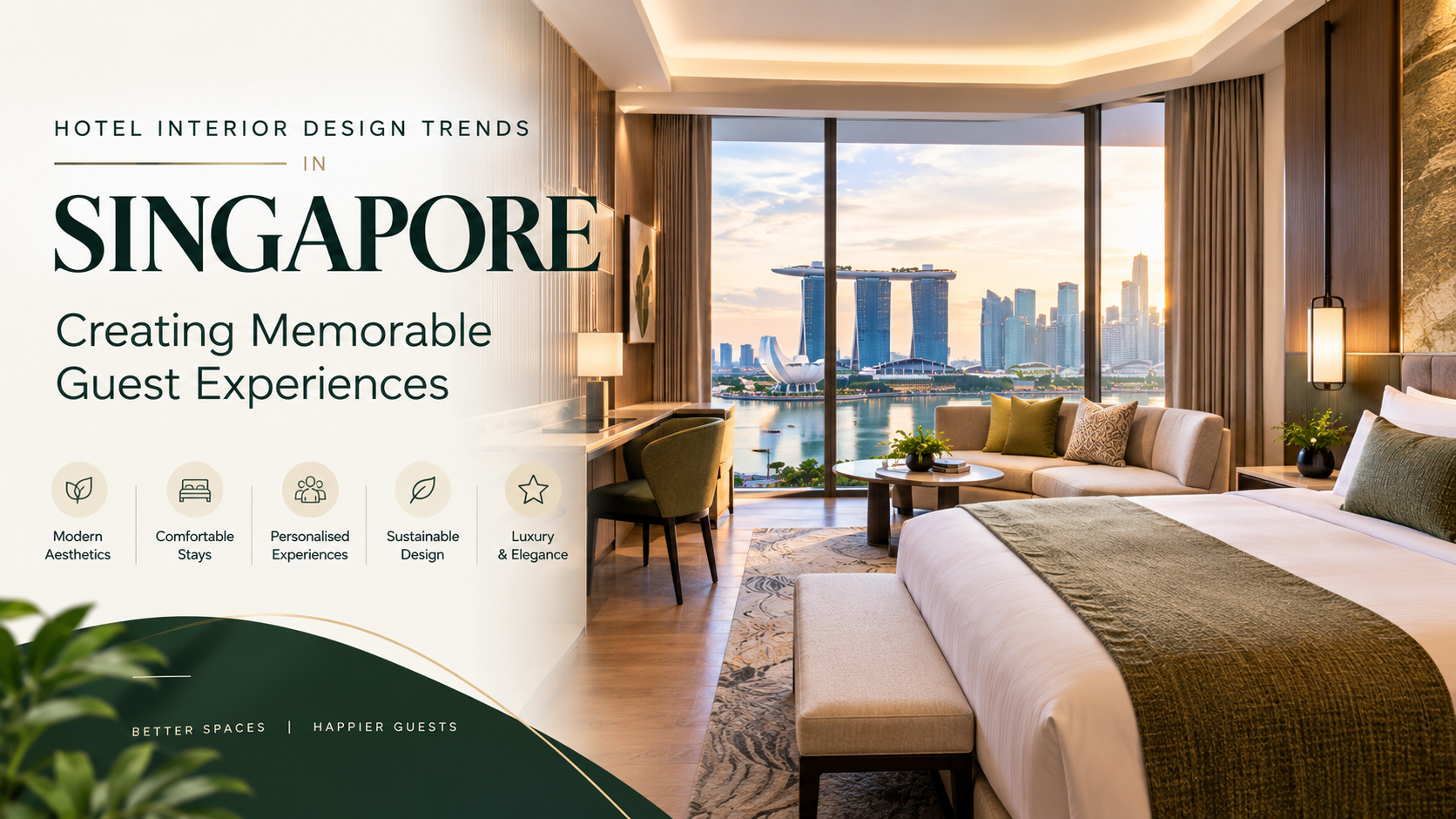
Hotel Interior Design Trends in Singapore: Creating Memorable Guest Experiences
The hospitality industry in Singapore is highly competitive, making guest experience an essential part of a hotel’s success. From boutique hotels and luxury resorts to business hotels and serviced apartments, interior design plays a significant role in shaping how guests perceive a property.
Today, hotel interior design in Singapore goes beyond creating beautiful rooms. It involves designing comfortable spaces, improving functionality, expressing brand identity and creating memorable experiences that encourage guests to return.
With thoughtful space planning, carefully selected materials, effective lighting and personalised design elements, hotels can transform ordinary interiors into inviting destinations.
At Nidhi Jain Associates, we believe that successful interior design brings together aesthetics, functionality and the unique identity of each space.
Why Is Hotel Interior Design Important in Singapore?
Singapore welcomes business travellers, international tourists, families and luxury travellers throughout the year. Hotels need to create interiors that appeal to different guest expectations while maintaining their brand identity.
A well-designed hotel interior can help:
- Create a positive first impression.
- Improve guest comfort and convenience.
- Strengthen hotel branding.
- Make effective use of available space.
- Create attractive social and relaxation areas.
- Support operational efficiency.
- Differentiate a property from competing hotels.
From the reception area to the guest bedroom, every design decision contributes to the overall hospitality experience.
1. Luxury Minimalism and Understated Elegance
Luxury hotel interiors are increasingly exploring a more understated approach to sophistication. Rather than relying entirely on decorative features, designers can create an elegant atmosphere through material quality, balanced proportions and thoughtful detailing.
Popular elements include:
- Natural stone surfaces
- Premium timber finishes
- Neutral colour palettes
- Refined furniture
- Soft, layered lighting
- Minimal decorative accessories
This approach creates an uncluttered and sophisticated environment that appeals to guests seeking comfort and exclusivity.
For hotels in Singapore, understated luxury can also provide a timeless design direction that remains relevant beyond short-lived trends.
2. Biophilic Design: Bringing Nature Indoors
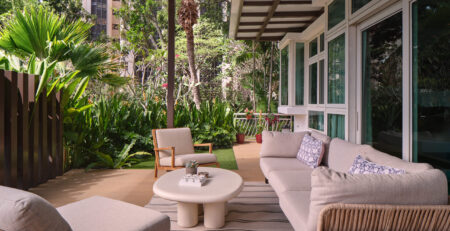
Biophilic design incorporates natural elements into indoor environments. It is particularly relevant to urban hospitality spaces, where greenery and natural textures can create a more relaxing atmosphere.
Hotels can introduce biophilic design through:
- Indoor plants and landscaped features
- Natural timber and stone
- Large windows and daylight
- Green walls in suitable locations
- Nature-inspired artwork
- Organic shapes and textures
These features can help create a welcoming connection with nature while contributing to the hotel’s visual identity.
Designers should also consider Singapore’s tropical climate when selecting materials, plants and finishes, taking durability, humidity and maintenance requirements into account.
3. Smart Lighting for Better Guest Experiences
Lighting influences the mood, appearance and functionality of a hotel interior.
A thoughtfully designed lighting scheme can make a lobby feel impressive, a restaurant feel intimate and a guest room feel comfortable.
Modern hotel lighting strategies may include:
Ambient lighting: Provides general illumination throughout the space.
Task lighting: Supports activities such as reading, working and grooming.
Accent lighting: Highlights architectural details, artwork and decorative features.
Decorative lighting: Adds character through pendant lights, chandeliers and feature fixtures.
In guest rooms, layered lighting and intuitive controls can help guests adapt the atmosphere to their preferences.
4. Guest Rooms Designed Around Comfort and Functionality
A hotel room should provide a comfortable environment for sleeping, relaxing, working and preparing for the day.
Good hotel room design balances visual appeal with practical requirements.
Important considerations include:
- Comfortable beds and appropriate mattress selection
- Efficient furniture layouts
- Convenient bedside lighting and charging
- Adequate wardrobe and luggage storage
- Well-planned bathroom layouts
- Sound insulation and privacy
- Functional workspaces where required
In Singapore, where space planning is often important, designers should ensure that furniture and circulation areas are proportionate to the room size.
The objective is to make the room feel comfortable and easy to use without unnecessary clutter.
5. Local Identity and Cultural Inspiration
Hotels can create a stronger sense of place by incorporating design elements inspired by Singapore’s architecture, culture and urban character.
Rather than using generic interiors, designers can introduce distinctive details through:
- Locally inspired artwork
- Contemporary interpretations of traditional patterns
- Regionally relevant materials and textures
- Thoughtful colour combinations
- Bespoke decorative installations
- References to Singapore’s urban landscape
These elements can help create a distinctive atmosphere while maintaining a contemporary hospitality aesthetic.
The key is to use cultural references thoughtfully, ensuring that they feel authentic and complement the overall design concept.
6. Multifunctional Hotel Lobbies and Social Spaces
The hotel lobby is no longer simply a reception area. Depending on the property’s positioning, it may also function as a meeting point, informal workspace, lounge or social environment.
A flexible lobby design can incorporate:
- Comfortable lounge seating
- Small meeting areas
- Café-style arrangements
- Collaborative tables
- Integrated charging points
- Clear reception and circulation zones
In business hotels, flexible seating and convenient work areas can support professional travellers. In lifestyle hotels, social seating and distinctive design features can encourage guests to spend more time in shared spaces.
The layout should maintain clear circulation, accessibility and efficient hotel operations.
7. Sustainable Materials and Responsible Design
Sustainability is an important consideration when planning hotel interiors. Material selection can influence durability, maintenance requirements and the environmental impact of a project.
Design teams can explore:
- Durable, long-lasting finishes
- Responsibly sourced materials
- Low-emission interior products
- Energy-efficient lighting
- Furniture designed for long-term use
- Materials with appropriate recycled content
- Strategies to reduce unnecessary replacement
For Singapore hotels, material performance is particularly important because humidity, frequent use and maintenance demands can affect the lifespan of interior finishes.
A sustainable approach should consider the entire lifecycle of the interior rather than focusing on appearance alone.
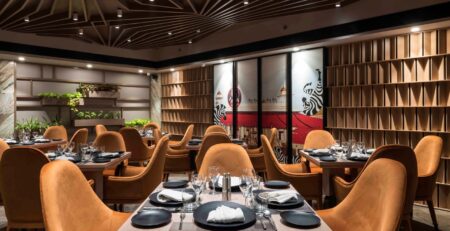
8. Restaurant and Lounge Interiors That Encourage Engagement
Restaurants, bars and lounges are important parts of the hotel experience. Their interiors should support the intended dining atmosphere while accommodating practical operational needs.
Design considerations include:
- Seating arrangements and table spacing
- Lighting and acoustics
- Material durability
- Service circulation
- Furniture comfort
- Visual connections between zones
- Brand identity and decorative features
For example, a premium restaurant may use sophisticated finishes and layered lighting, while a casual dining venue may benefit from warmer materials and a more relaxed layout.
A successful design creates an atmosphere that complements the food, service and overall hospitality concept.
9. Wellness-Inspired Hotel Interiors
Guest expectations increasingly include opportunities to relax and recharge. Hotels can respond by designing calming environments across guest rooms, spas, fitness areas and relaxation spaces.
Possible design features include:
- Soft, balanced colour palettes
- Comfortable seating
- Natural textures
- Appropriate lighting levels
- Acoustic comfort
- Clear and uncluttered layouts
- Thoughtfully designed spa and wellness facilities
Wellness-focused design should be adapted to the hotel’s facilities and target guests rather than applied as a single aesthetic trend.
10. Technology Integrated Into Hotel Design
Technology can improve convenience when it is incorporated into the interior design from the beginning.
Examples include:
- Smart room controls
- Digital check-in facilities
- Integrated charging solutions
- Automated lighting systems
- Convenient bedside controls
- Digital meeting-room facilities
- Energy-management systems
Technology should remain intuitive and discreet. Controls, screens and equipment need to be positioned carefully so they support the guest experience without disrupting the design.
How to Choose a Hotel Interior Design Company in Singapore
Choosing the right interior design partner is an important step in developing or renovating a hospitality property.
Before making a decision, hotel owners and operators should consider the following factors.
Review Previous Projects
Examine the company’s portfolio to understand its design approach, attention to detail and experience with hospitality or comparable commercial spaces.
Understand the Design Process
Discuss concept development, space planning, material selection, technical coordination and project delivery.
Evaluate Functionality
Hotel interiors must support guests as well as housekeeping, maintenance, food service and other operational requirements.
Discuss Budget and Project Scope
Clarify the proposed design services, material specifications, deliverables and responsibilities before work begins.
Consider Long-Term Maintenance
Select finishes, furniture and fittings that suit the property’s expected usage and maintenance requirements.
A strong design partnership should balance creative vision with practical planning and the hotel’s business objectives.
How Nidhi Jain Associates Can Approach Hotel Interior Design
At Nidhi Jain Associates, hotel interior design can be approached as a process of understanding the property’s identity, guest profile and operational requirements before developing a cohesive design concept.
A considered design strategy may include:
- Understanding the hotel’s positioning and target audience
- Developing a consistent interior design concept
- Planning guest rooms and public areas
- Selecting suitable colours, finishes and materials
- Coordinating lighting and furniture requirements
- Incorporating brand identity into the environment
- Balancing aesthetics with functionality and maintenance
Every hospitality project has different requirements. The design solution should therefore be tailored to the property, its intended guests and its operational priorities.
Conclusion
Hotel interior design in Singapore is about creating environments that guests remember for the right reasons. From elegant guest rooms and welcoming lobbies to nature-inspired materials and flexible social spaces, thoughtful design can contribute to a more comfortable and distinctive hospitality experience.
The most successful hotel interiors combine visual appeal with functionality, durability and a clear understanding of the guest journey.
For hotel owners planning a new property or renovation, investing in a well-considered interior design strategy can help create a stronger identity and a more cohesive guest experience.
Nidhi Jain Associates — creating thoughtful interior environments where design, functionality and experience come together.
Frequently Asked Questions
What are the latest hotel interior design trends in Singapore?
Current design directions include understated luxury, biophilic elements, layered lighting, locally inspired details, flexible public spaces, wellness-focused environments and technology integrated into guest rooms.
Why is interior design important for hotels?
Interior design influences guest comfort, the property’s visual identity, space utilisation and the experience of moving through different hotel areas.
How can a hotel create a luxury guest experience through design?
Hotels can combine comfortable furniture, high-quality finishes, effective lighting, thoughtful layouts, acoustic comfort and personalised design details.
What should hotels consider when selecting interior materials in Singapore?
Important considerations include humidity resistance, durability, ease of cleaning, maintenance requirements, safety and suitability for the intended application.
How can hotel interiors reflect Singapore’s identity?
Designers can incorporate locally inspired artwork, contemporary interpretations of cultural motifs, regional textures and references to the city’s architecture.
What should hotel owners look for in an interior design company?
They should evaluate the portfolio, relevant project experience, design process, understanding of hospitality operations, material knowledge and clarity of project scope.