How to Find Best Interior Designer in Sentosa, Singapore?
Sentosa is one of Singapore’s most distinctive destinations, known for luxury residences, resorts, hospitality venues, restaurants, entertainment spaces, and premium commercial properties. Because of the island’s unique environment and high-end positioning, interior design projects in Sentosa often require more than attractive décor—they need thoughtful planning, strong attention to detail, and an understanding of luxury spaces.
Whether you are renovating a private residence, designing a hospitality property, upgrading a restaurant, or creating a premium commercial space, choosing the best interior designer in Sentosa, Singapore is an important decision.
Here are the key factors you should consider before hiring an interior design company.
1. Look for Experience With Luxury and Premium Spaces
Sentosa projects can have different requirements from standard residential or commercial renovations. Look for a designer who has experience with:
- Luxury residences and villas
- Condominiums and apartments
- Hotels and resorts
- Restaurants and cafés
- Retail spaces
- Offices
- Hospitality interiors
- High-end commercial environments
The goal is to find a designer whose previous work reflects the level of quality and sophistication you expect.
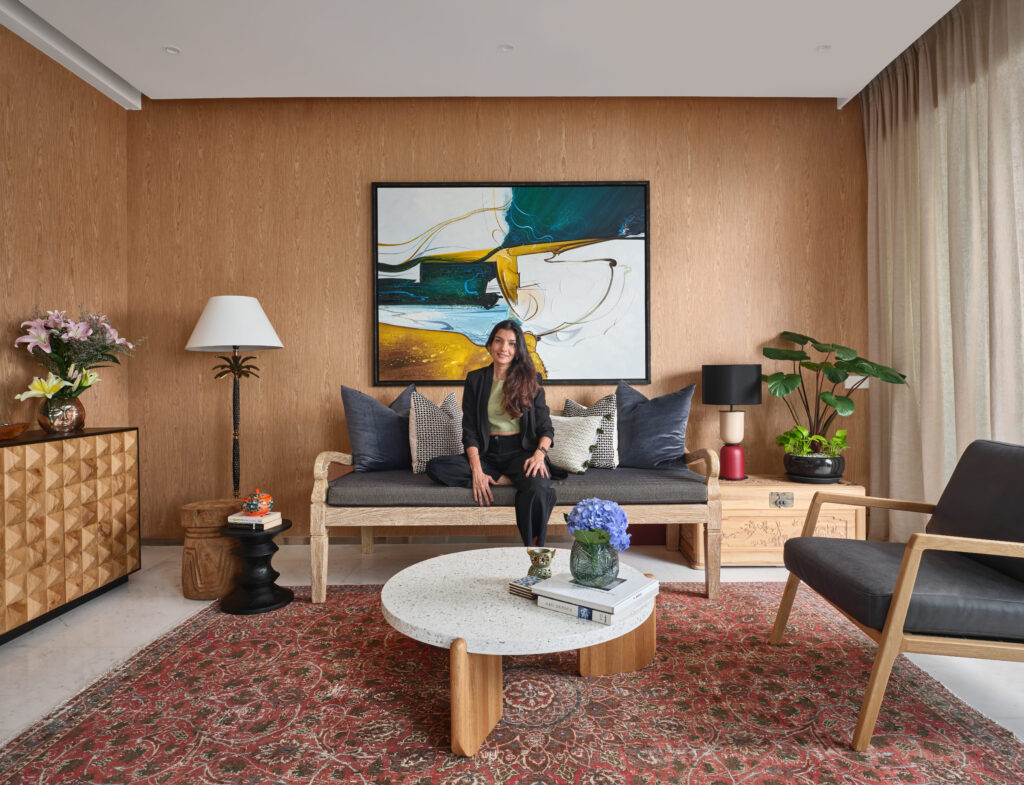
2. Study Their Portfolio
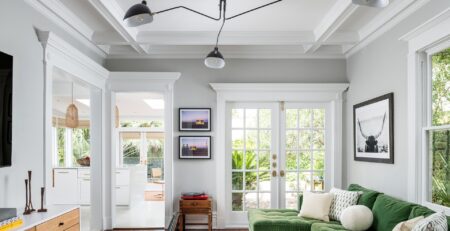
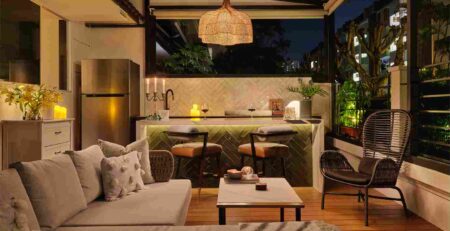
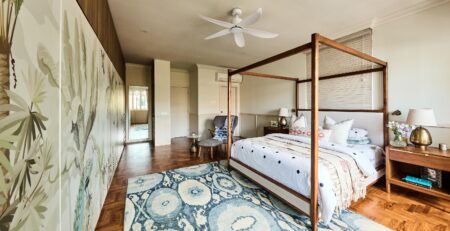
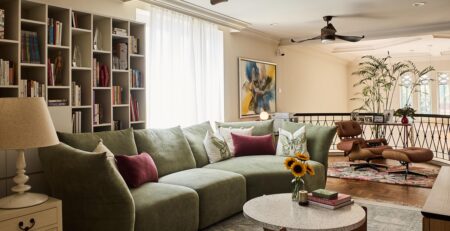
A portfolio is one of the best ways to evaluate an interior designer.
Don’t look only at whether a project appears beautiful. Examine how the designer handles:
- Space planning
- Lighting
- Furniture
- Materials
- Colour combinations
- Storage
- Architectural details
- Functionality
- Finishing quality
Ideally, ask to see projects that are similar in scale and purpose to your own.
Singapore’s design-award programmes can also provide useful references when evaluating the quality of design firms and completed projects.
3. Understand Your Own Requirements First
Before approaching designers, prepare a basic project brief.
Include:
- Property type
- Approximate floor area
- Number of rooms or zones
- Preferred design style
- Functional requirements
- Expected completion date
- Approximate budget
- Special features you want
- Whether you need design-only or design-and-build services
A clear brief allows designers to provide more relevant concepts and quotations.
4. Evaluate Their Design Philosophy
The best interior designer isn’t necessarily the one with the most extravagant portfolio. The right designer should understand your lifestyle, business objectives, taste, and practical requirements.
Ask how they approach:
Function + Aesthetics + Comfort + Brand Identity + Durability
For premium properties, design details should support the overall experience rather than simply adding decoration.
A strong design philosophy focuses on creating spaces that work well for the people using them while maintaining a distinctive visual identity.
5. Check Their Space Planning Skills
Good interior design begins with planning.
Your designer should consider:
- Movement and circulation
- Furniture placement
- Natural light
- Storage
- Privacy
- Entertainment areas
- Workspaces
- Lighting
- Service areas
- Technology
- Future flexibility
For commercial and hospitality projects, space planning is particularly important because the layout needs to support both customers and staff.
6. Ask About 3D Visualisation
Before construction begins, you should have a clear understanding of the proposed design.
Ask whether the designer provides:
- 3D renders
- Mood boards
- Material boards
- Furniture concepts
- Lighting concepts
- Detailed drawings
Visualisation can make it easier to identify design changes before construction and procurement begin.
7. Examine Material and Finishing Quality
Premium interiors depend heavily on material selection and workmanship.
Discuss materials for:
- Flooring
- Wall finishes
- Marble and stone
- Wood and veneer
- Glass
- Metal
- Upholstery
- Cabinetry
- Lighting
- Bathroom fittings
Your designer should explain the advantages, maintenance requirements, durability, and cost of the materials being proposed.
8. Compare Quotations Carefully
Don’t choose an interior designer simply because they offer the lowest price.
Compare quotations based on the complete scope of work.
Check whether the quotation includes:
- Design fees
- Site measurements
- 3D visualisation
- Technical drawings
- Material sourcing
- Custom furniture
- Carpentry
- Electrical work
- Lighting
- Painting
- Installation
- Project management
- Final handover
A detailed quotation makes it easier to compare different designers fairly.
9. Ask About Project Management
A beautiful concept is only valuable if it can be executed properly.
Ask:
- Who will manage the project?
- Who supervises the site?
- Who coordinates contractors?
- How often will progress be reported?
- How are changes handled?
- Who manages procurement?
- How are delays addressed?
- Who performs the final quality inspection?
Strong project management can help reduce communication problems and keep the project organised.
10. Consider Turnkey Interior Design
If you prefer working with one team throughout the project, consider a turnkey interior design service.
Depending on the company, this can involve:
Concept → Design → 3D Visualisation → Material Selection → Procurement → Construction → Installation → Handover
This approach can make the process easier because the client has a central team coordinating the different stages.
11. Check Reviews and Reputation
Client feedback can provide useful information about an interior designer’s working style.
Look for reviews discussing:
- Communication
- Design quality
- Professionalism
- Timeliness
- Budget management
- Workmanship
- Material quality
- Post-project support
Also consider independent design awards and industry recognition.
12. Look for a Designer Who Understands Singapore Requirements
Interior projects in Singapore can involve building management requirements, approvals, contractor coordination, safety considerations, and other regulatory or site-specific requirements.
An experienced local designer should be familiar with the practical requirements involved in executing projects in Singapore.
This is particularly important for commercial and hospitality spaces where the project may involve several contractors and operational requirements.
13. Think About Long-Term Value
Good interior design should not only look impressive on completion day.
Think about:
- Durability
- Ease of maintenance
- Timelessness
- Flexibility
- Energy efficiency
- Furniture quality
- Future modifications
A slightly higher initial investment in quality planning and durable materials can sometimes provide better long-term value.

Interior Design Styles Suitable for Sentosa Properties
Depending on the property and your personal preferences, several design directions can work well in Sentosa.
Contemporary Luxury
Clean lines, premium materials, sophisticated lighting, and understated furniture can create an elegant modern environment.
Tropical Modern
Natural textures, greenery, timber, stone, and indoor-outdoor connections can complement Sentosa’s resort-like surroundings.
Minimalist Luxury
A restrained palette, high-quality materials, clean architecture, and carefully selected furniture can create a sophisticated appearance without excessive decoration.
Resort-Inspired Interiors
For hospitality or luxury residential properties, resort-inspired design can focus on comfort, relaxation, natural materials, and a strong connection with the surrounding environment.
Why Choosing the Right Interior Designer Matters
Your interior designer can influence everything from the initial layout to the final finishing details.
The right professional should be able to translate your ideas into a space that is:
- Functional
- Elegant
- Comfortable
- Durable
- Personalised
- Practical
- Visually distinctive
For premium properties in Sentosa, attention to detail becomes especially important because the interior should complement the property’s location and overall character.
Final Thoughts
Finding the best interior designer in Sentosa, Singapore requires careful research rather than simply choosing the company with the most attractive advertisement.
Start by reviewing portfolios, checking relevant experience, understanding the design process, comparing quotations, evaluating materials, and discussing project management.
Most importantly, choose a designer who listens to your requirements and can balance aesthetics, functionality, quality, budget, and long-term value.
A well-planned interior can transform a property into a sophisticated and comfortable environment while reflecting the personality, lifestyle, or brand of the people who use it.
Contact Nidhi Jain Associates on +65 9752 2836 to schedule your consultation and begin your journey toward a beautifully designed luxury home.
Frequently Asked Questions
1. How do I find the best interior designer in Sentosa?
Compare designers based on their portfolio, experience, reviews, design approach, project management, material quality, pricing transparency, and experience with similar properties.
2. How much does interior design cost in Sentosa?
The cost varies depending on the property’s size, design complexity, materials, furniture, renovation requirements, and level of customisation. Request a detailed quotation after discussing your project requirements.
3. Should I hire a designer specialising in luxury interiors?
If your Sentosa property requires premium finishes, bespoke furniture, sophisticated detailing, or a high-end hospitality feel, experience with luxury interiors can be beneficial.
4. What should I check in an interior designer’s portfolio?
Look for quality of execution, space planning, material selection, lighting, furniture, attention to detail, and projects similar to your own.
5. Why is 3D visualisation useful?
3D visualisation helps you understand how the proposed space may look before construction and allows design changes to be discussed earlier.
6. How long does an interior design project take?
The timeline depends on the property size, scope, approvals, customisation, materials, and construction requirements. Your designer should provide a project-specific schedule.
7. What makes a good luxury interior designer?
A good luxury interior designer combines creative design with practical planning, premium materials, detailed execution, project management, and an understanding of the client’s lifestyle or brand.