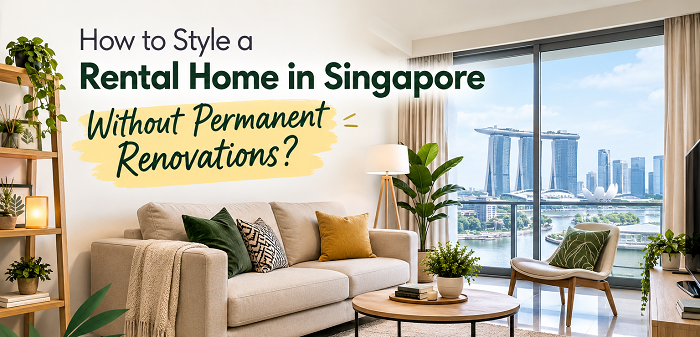
How to Style a Rental Home in Singapore Without Permanent Renovations?
Renting in Singapore does not mean settling for a home that feels temporary or impersonal. The most effective rental styling works with the existing property, respects the tenancy agreement and focuses on changes that can be removed or taken to the next home.
Before buying anything, identify what is missing. Is the living room too bare, is the lighting harsh, is there nowhere to work, or does the space lack colour and personal character? A clear problem list keeps the budget focused.
Start With the Lease and Written Permission
Read the tenancy agreement before installing fixtures, painting walls, drilling, changing lights or applying wall coverings. Many leases require written landlord consent for alterations and may require reinstatement when the tenancy ends. Ask rather than assume, and keep the approval in writing.
Condominium management may also have requirements for deliveries, installation work and contractor access. These are separate from the landlord’s permission. Confirm both where applicable.
Five High-Impact, Lower-Commitment Changes
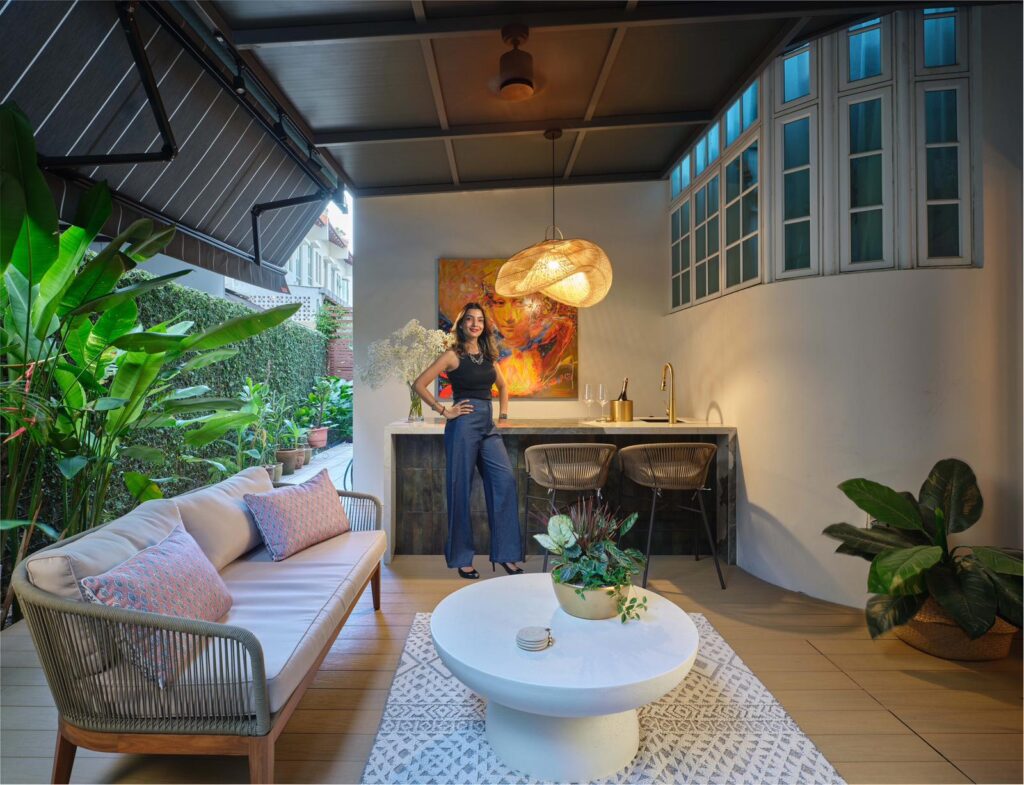
- Rugs: use a correctly sized rug to define a living or dining area and soften hard flooring. Use suitable underlay where needed and avoid creating trip hazards.
- Lighting: add floor lamps, table lamps and task lights. Check electrical safety and do not overload sockets.
- Art and personal objects: lean framed art on secure shelves or use approved hanging methods. Keep heavy objects safely secured.
- Textiles: curtains on existing tracks, cushions, throws and bedding introduce texture and colour without permanent changes.
- Freestanding storage and furniture: choose pieces that solve a real problem and can work in another property later.
Use Removable Products Carefully
Peel-and-stick wallpaper, removable hooks and adhesive accessories are often marketed as renter-friendly, but they are not risk-free. Paint quality, humidity, surface texture and length of use can affect removal. Check product instructions, test an inconspicuous area and obtain permission when required.
Do not cover ventilation openings, obstruct access panels or compromise fire-safety equipment to achieve a look. If you are uncertain whether a product is suitable, choose a freestanding alternative.
Make the Space Feel Like Yours
A rental can reflect your background without relying on a single theme. Combine a few meaningful objects, art or textiles with a restrained palette. If you have moved from India, Dubai, the UK or the US, a treasured piece from your previous home can be a strong starting point for the room’s colour and layout.
Keep the scale appropriate to the property. Measure before purchasing, and avoid filling every wall or surface. Negative space helps a room feel calmer and makes it easier to adapt if your next home is different.
Plan for the Move-Out Day Too
Photograph the condition of the property when you move in and keep copies of permissions and receipts. At move-out, follow the lease terms and agreed reinstatement process. A design choice is only truly practical if it can be removed without unexpected damage or cost.
How a Designer Can Help
A designer or stylist can help prioritise purchases, choose a coherent palette, place existing furniture and identify solutions suited to the property and your lease. Nidhi Jain Associates offers Refresh Decor / Interior Styling as well as residential interior design. Confirm the exact scope and availability for your home before starting.

Call to action
Would you like your rental to feel more personal without committing to permanent changes? Contact Nidhi Jain Associates to discuss a styling brief and the needs of your particular property.